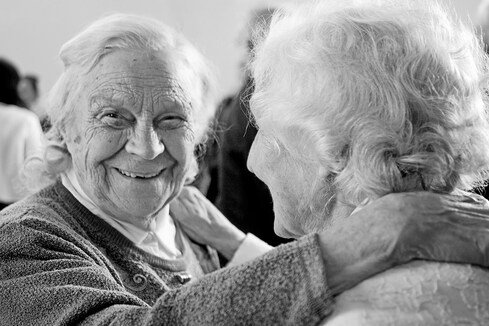
Understanding the Importance of Exercise for Seniors
Regular physical activity is a cornerstone of healthy aging, and it holds significant importance for senior citizens. Engaging in exercise not only contributes to improved mobility but also plays a vital role in enhancing overall mental health. Maintaining an active lifestyle allows older adults to preserve their independence, enabling them to perform daily tasks with ease and confidence.
Among the many benefits of exercise for seniors is the prevention of chronic diseases. Regular physical activity can reduce the risk of conditions such as heart disease, diabetes, and osteoporosis. By incorporating strength training, balance exercises, and aerobic activities into their routines, seniors can promote cardiovascular health and maintain muscle mass, which is essential for daily functioning.
Additionally, exercise can significantly impact mental well-being. Studies have shown that physical activity can alleviate symptoms of depression and anxiety, leading to improved mood and cognitive function. For seniors, staying physically active often promotes social interaction, as group classes and community activities provide opportunities to connect with peers. This aspect of exercise contributes to a sense of belonging and emotional support, which is particularly crucial as individuals age.
Furthermore, regular exercise supports the management of weight, boosts energy levels, and enhances overall quality of life. It empowers older adults to maintain their lifestyles, reducing reliance on caregivers and fostering autonomy. Consequently, the implementation of a regular exercise routine is essential for senior citizens, as it encapsulates both physical and psychological wellbeing.
In summary, the significance of exercise for seniors spans across various dimensions of health, reinforcing its necessity for a fulfilling, independent, and active life.
Recommended Types of Exercises for Seniors
As individuals age, maintaining physical fitness becomes increasingly important for ensuring overall health and well-being. It is essential for seniors to engage in various types of exercises that not only keep the body active but also enhance strength, flexibility, and balance. Here are some recommended exercise types tailored for senior citizens:
Strength Training: Strength training is vital for seniors as it helps build muscle mass, improve bone density, and enhance metabolism. Exercises can be performed using resistance bands, light weights, or even body weight. Simple movements like seated leg raises or wall push-ups can effectively be adapted for different fitness levels.
Flexibility Exercises: Flexibility is crucial for maintaining a wide range of motion and preventing injuries. Gentle stretching routines or activities like chair yoga can improve flexibility, which is beneficial for everyday tasks. Seniors can perform stretches targeting major muscle groups to maintain joint mobility and muscle elasticity.
Aerobic Activities: Engaging in low-impact aerobic exercises, such as walking, swimming, or cycling, helps improve cardiovascular health and endurance. Groups like walking clubs may provide the added benefit of social interaction, which is also important for mental health. Aim for at least 150 minutes of moderate aerobic exercise each week for optimal results.
Balance Training: Balance exercises are essential for preventing falls, a common concern among seniors. Simple activities like tai chi, heel-to-toe walking, or standing on one foot can effectively enhance stability. Incorporating balance training into weekly routines significantly improves coordination and confidence.
In conclusion, integrating these recommended types of exercises into daily life can contribute greatly to the physical and mental health of seniors. Customizing exercises to match individual abilities ensures that seniors remain active and engaged, fostering independence and vitality as they age.
Safety Considerations When Exercising as a Senior
As individuals age, it becomes increasingly important for senior citizens to prioritize safety while engaging in physical exercise. To ensure a beneficial and secure experience, there are several key considerations that should be adhered to. First and foremost, consultation with a healthcare provider is essential before embarking on any new exercise regimen. This is to assess personal health conditions and to receive tailored advice regarding suitable activities that align with their fitness levels and medical history.
Recognizing personal limits is also vital in maintaining safety during exercise. Seniors should listen to their bodies and recognize signs of fatigue or discomfort. Ignoring these cues can lead to injuries or health complications, particularly for those who may have pre-existing health issues. It is advisable to start slowly and gradually increase the intensity and duration of workouts, thereby allowing the body to adjust without undue strain.
Modifications to exercises can also enhance safety. Many exercises can be adapted to better suit an individual’s physical capabilities. For instance, utilizing supportive equipment such as chairs, resistance bands, or light weights can help maintain a safe and effective workout. Additionally, seniors should remain well-hydrated, especially during physical activity—dehydration can be detrimental to health and may hinder performance. Staying hydrated before, during, and after workouts is crucial.
Engaging with a qualified instructor or participating in supervised classes can also promote a safe exercise environment. Certified professionals can provide guidance, enforce proper techniques, and offer modifications specific to the needs of senior citizens. Overall, ensuring safety while exercising is not only about preventing injuries but also about encouraging a sustainable and enjoyable fitness journey for senior individuals.
Creating a Sustainable Exercise Routine for Seniors
Establishing a consistent exercise routine is essential for seniors looking to maintain their physical health and enhance their quality of life. To begin with, setting realistic and attainable fitness goals is crucial. Seniors should consider their current fitness levels, any existing health conditions, and personal preferences when defining these goals. Aiming for small, incremental improvements can foster a sense of achievement and motivate them to persist.
Next, scheduling regular exercise sessions is a vital component of a sustainable routine. Seniors can benefit from incorporating physical activity into their daily lives by designating specific times for exercise, much like they would for any other important commitment. Morning or late afternoon sessions might be ideal, as they typically coincide with cooler temperatures and an increase in energy levels. It is important to recognize that consistency is key; therefore, seniors should aim for a minimum of 150 minutes of moderate-intensity aerobic activity each week, coupled with strength training exercises at least twice weekly.
Finding motivation is another important aspect of maintaining an exercise routine. Seniors can draw inspiration from various sources, including personal stories from peers or established fitness programs. Additionally, engaging in social activities can significantly enhance motivation; exercising with a friend, family member, or in a group setting can foster accountability and make workouts more enjoyable.
Moreover, community resources play a pivotal role in promoting regular exercise among seniors. Local fitness centers, senior centers, or recreational facilities often offer classes tailored specifically for older adults. Participation in group classes or organized activities not only provides structure to one’s exercise regimen but also offers opportunities for social interaction, which can further motivate seniors to remain active.
About the Author